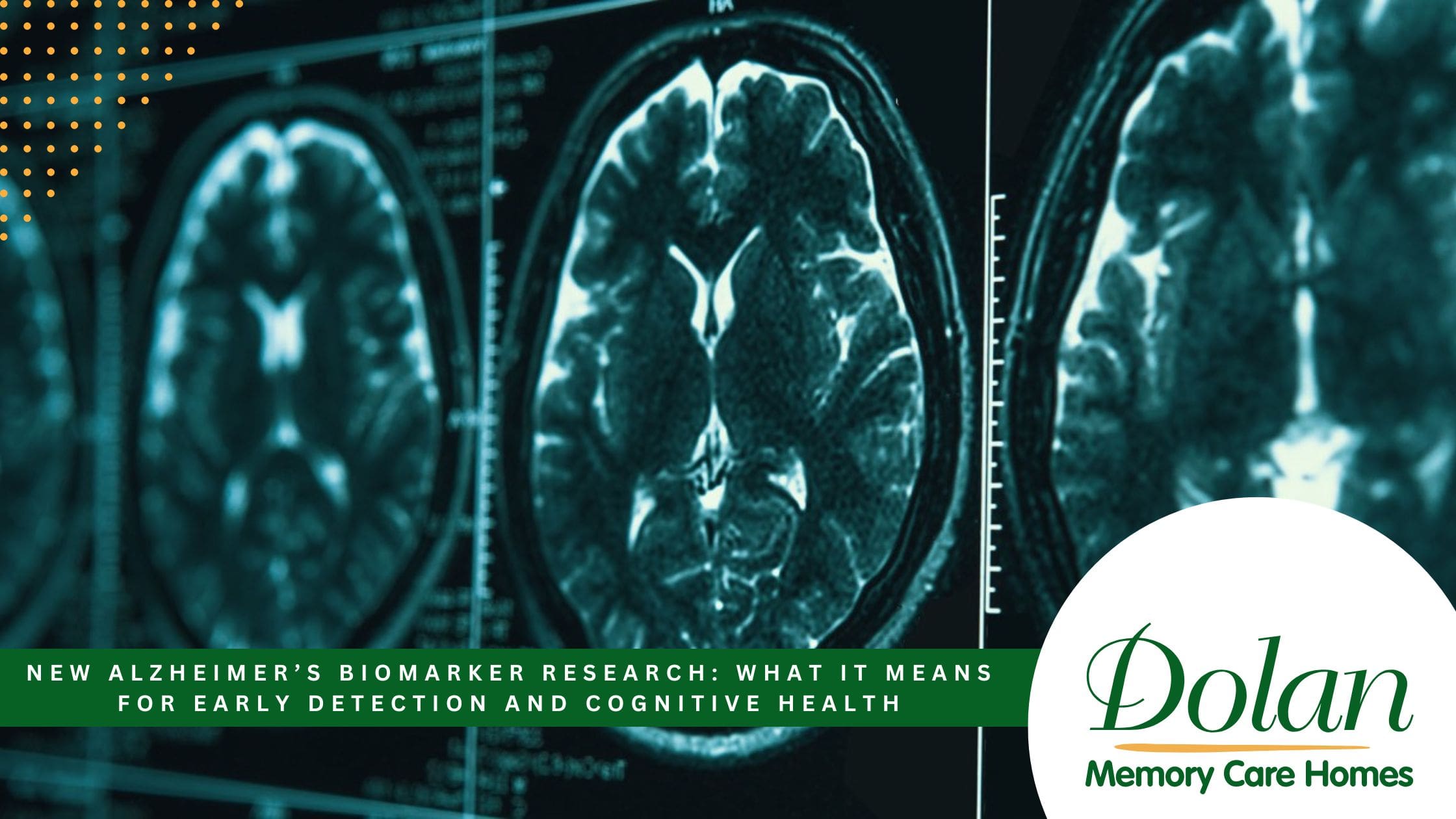
Recent research from Brown University’s Carney Institute for Brain Science highlights a promising new direction in Alzheimer’s research: a potential brain-based biomarker that may help predict the progression from mild cognitive impairment to Alzheimer’s disease years before a formal diagnosis.
The study focuses on patterns of electrical activity in the brain, observing how neurons fire and communicate. Researchers found that specific disruptions in these signals could predict Alzheimer’s progression up to two and a half years in advance. This approach is noninvasive and offers a more direct look at how the disease affects brain function itself.
While this research is still in its early stages and not yet part of clinical diagnosis, it represents an important step toward earlier detection and better understanding of Alzheimer’s disease.
Why This Research Matters
Most existing Alzheimer’s biomarkers focus on physical substances like amyloid beta and tau proteins, which are typically measured through spinal fluid or blood tests. This new research suggests that functional changes in the brain’s electrical signals could complement those tools and provide additional insight into how the disease develops over time.
Earlier detection could one day allow families and care teams to plan sooner, access supportive services earlier, and better track how interventions are affecting brain health.
At Dolan Memory Care, we closely follow emerging research like this—not because it offers immediate answers, but because understanding the science helps families navigate dementia with greater clarity and confidence.
Related Reads on Brain Health and Dementia
If you’d like to explore more research-backed insights on cognitive health, we recommend these related articles from our blog:
- The Brain’s “Star” Cells and Their Role in Preserving Cognitive Function
- New Research on Brain Health: What It Means — and What It Doesn’t
As science continues to advance, Dolan Memory Care remains committed to pairing emerging research with compassionate, person-centered care—supporting residents and families not just