
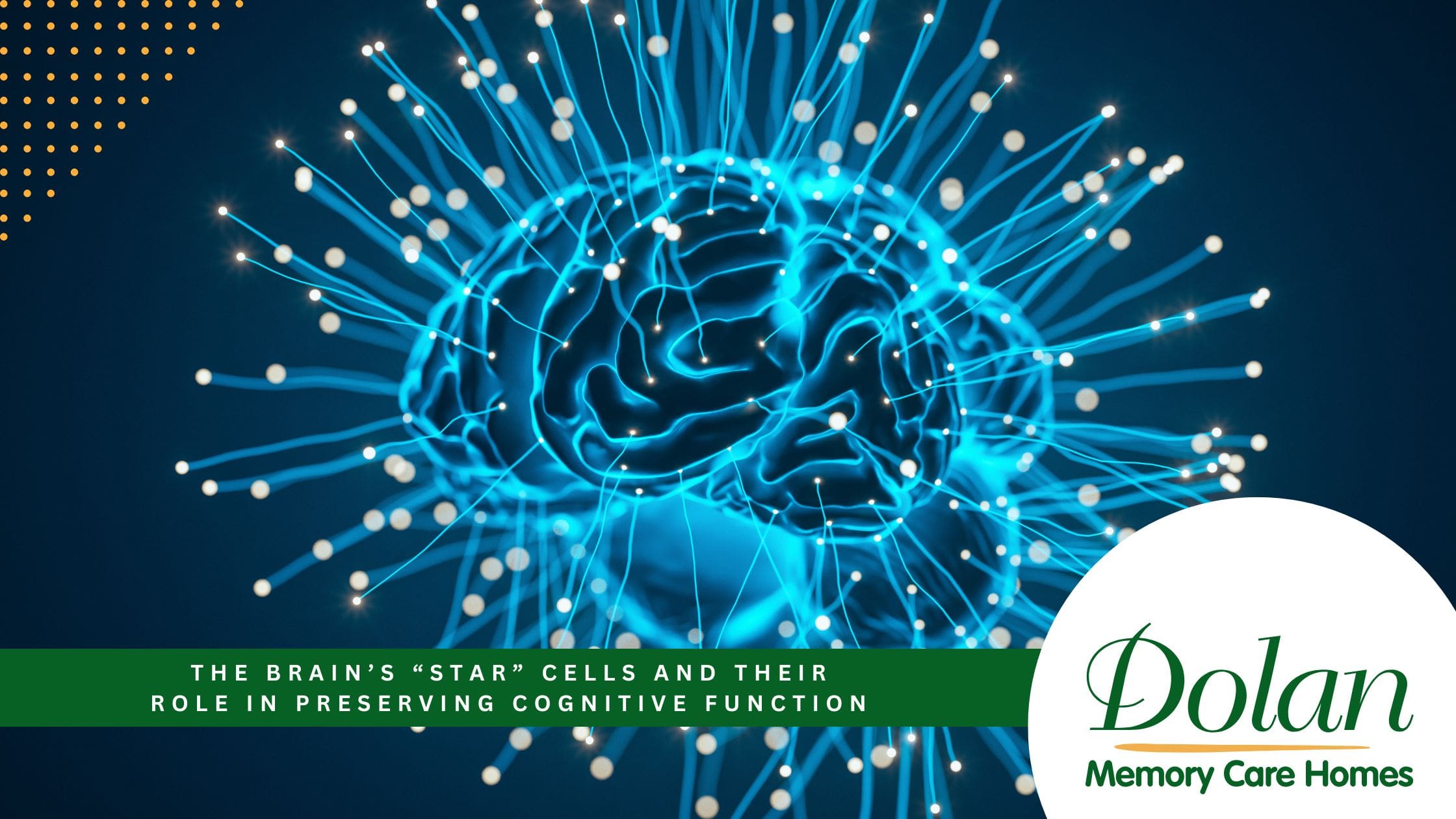
In a recent follow-up to emerging Alzheimer’s research, scientists at Baylor College of Medicine have turned the spotlight toward an unexpected hero in brain health: astrocytes, often referred to as the brain’s “star” cells.
Astrocytes are not neurons, but they play a critical support role in the brain — regulating communication between neurons, maintaining the brain’s chemical balance, and responding to injury or disease. According to this new study, these cells may also hold significant power in preserving cognitive function, even in the presence of Alzheimer’s pathology.
What the Research Found
Using an Alzheimer’s disease model, researchers discovered that when astrocytes remained healthy and active, cognitive function was better preserved — even when hallmark signs of Alzheimer’s, such as amyloid plaques, were still present in the brain. This suggests that cognitive decline may not be driven solely by plaque buildup, but also by how well the brain’s support systems continue to function.
In other words, the brain may be more resilient than previously thought, and preserving the health of astrocytes could help maintain memory, learning, and daily functioning longer than expected.
Why This Matters — and Why Caution Is Still Needed
This research builds on themes we discussed in our earlier post, New Research on Brain Health: What It Means — and What It Doesn’t, which explored how boosting certain proteins in mice helped re-engage aging brain cells. Together, these studies point to an important shift in Alzheimer’s research: moving beyond neurons alone and focusing on the broader ecosystem of the brain.
However, it’s essential to remember that these findings are still based on models of disease, not human clinical treatments. While the results are promising, they represent early-stage science rather than immediate solutions. Translating discoveries like this into safe, effective therapies for people will require extensive additional research and testing.
You can read our full perspective on interpreting early brain research here:
New Research on Brain Health: What It Means — and What It Doesn’t
https://dolancare.com/new-research-on-brain-health-what-it-means-and-what-it-doesnt/
What This Means for Memory Care Today
For families navigating dementia today, these findings reinforce an important truth: cognitive health is influenced by far more than a single biological factor. Brain resilience, much like human resilience, is supported by multiple systems working together.
At Dolan Memory Care, this understanding shapes how we care for residents every day. While researchers explore how to preserve brain function at the cellular level, we focus on preserving dignity, identity, and quality of life through structured routines, meaningful engagement, sensory stimulation, and compassionate human connection.
Science continues to move forward — and studies like this give us reason for hope. Until breakthroughs become treatments, our commitment remains rooted in providing care that supports the whole person, not just the disease.