Key takeaways
- Knowing how to choose a memory care facility comes down to a handful of things that shape daily life: home size, dementia-trained staff, safety, engagement, licensing, communication and honest pricing.
- Smaller settings tend to be calmer and allow closer, more personal attention for someone living with dementia.
- Ask how staff are trained in dementia specifically, and how often a nurse is on site.
- Ask how pricing works, all-inclusive or by level of care, and what it covers, before you compare costs.
- Dementia is widespread: the Alzheimer’s Association reports 7.4 million Americans age 65 and older are living with Alzheimer’s in 2026, so you are far from alone in this search.
Choosing a memory care facility is one of the most loving and most difficult things a family can do, and knowing how to choose a memory care facility starts with asking the right questions rather than the loudest marketing. Across the St. Louis area, families face the same worry: will a parent be safe, engaged and treated with dignity. The scale of the need is real. The Alzheimer’s Association reports that 7.4 million Americans age 65 and older are living with Alzheimer’s in 2026, a number projected to reach 13.8 million by 2060. Much of the weight falls on families: the same source reports that about 70 percent of dementia-care costs are borne by family caregivers through unpaid care and out-of-pocket spending. Reaching for professional memory care is not giving up, then, but getting the right help. This guide is a practical checklist to help you compare options calmly and well. It is general information, not medical advice, so lean on your loved one’s doctor for anything specific to their condition.
When is it time to consider memory care?
There is rarely a single moment that makes the decision obvious, which is part of what makes it so hard. For many families, memory care starts to make sense when safety becomes a daily worry: wandering, missed medications, trouble with meals or a fall that could have been worse. It can also be the right step when caregiving has stretched a spouse or adult child past what they can sustain, which is common and nothing to feel guilty about.
Other signs are quieter. A parent may be withdrawing from the people and activities they once enjoyed, or a familiar home may no longer be safe to move through. Memory care is designed for exactly these situations, with secure surroundings, trained staff and a daily rhythm built around memory loss. If you are unsure, your loved one’s doctor can help you weigh where they are, and an early conversation with a provider can tell you what support is available long before anything is decided.
The memory-care checklist: what to look for
Use these criteria to compare any memory care option, whether it is a small residential home or a larger community.
- Home model and size. Ask how many residents live together in each home or unit. Smaller settings are often calmer and allow caregivers to know each resident as an individual.
- Staffing and dementia training. Ask how caregivers and nurses are trained in dementia care specifically, what the caregiver-to-resident ratio is and how often a nurse is on site. Specialized training matters more than a long amenity list.
- Safety and secure design. Look for single-story layouts, secure outdoor areas, clear sightlines and a design that reduces the chance of a resident becoming lost or disoriented.
- Daily activities and engagement. Meaningful routine is central to good memory care, not an extra. Ask what a typical day looks like, from music and movement to time outdoors and one-on-one attention.
- Licensing and oversight. Confirm the home is properly licensed in Missouri and ask how it handles medication, emergencies and changes in a resident’s condition.
- Family communication. Ask how the team keeps families informed, how they involve you in care decisions and who your main point of contact will be.
- Cost transparency. Ask whether pricing is all-inclusive or billed by level of care, what is covered and what is extra, and get it in writing so you can compare honestly.
LongTermCare.gov, the federal resource on long-term care, offers neutral guidance on choosing and paying for care that pairs well with this checklist as you compare providers.
Questions to ask on a tour
A tour tells you things a website cannot. Walk through the home at a normal hour, not just a scheduled showcase, and pay attention to how it feels. Are residents engaged or idle? Do caregivers greet people by name? Is the space calm and clean without feeling clinical?
Bring a short list of questions and ask them of the people who will actually provide care. How long have the caregivers worked here? What happens at night and on weekends? How do you handle a resident who is anxious or confused? How do you communicate with families when something changes? What is included in the price, and what is not? When you are ready to compare homes in person, most providers, Dolan included, will help you schedule a tour.
How the Dolan small-home model measures up
It helps to see how one approach maps to the checklist. Dolan Memory Care Homes is a family-owned dementia and memory-care specialist that has served St. Louis families since 1993, and it is built around a small residential-home model rather than a large building.
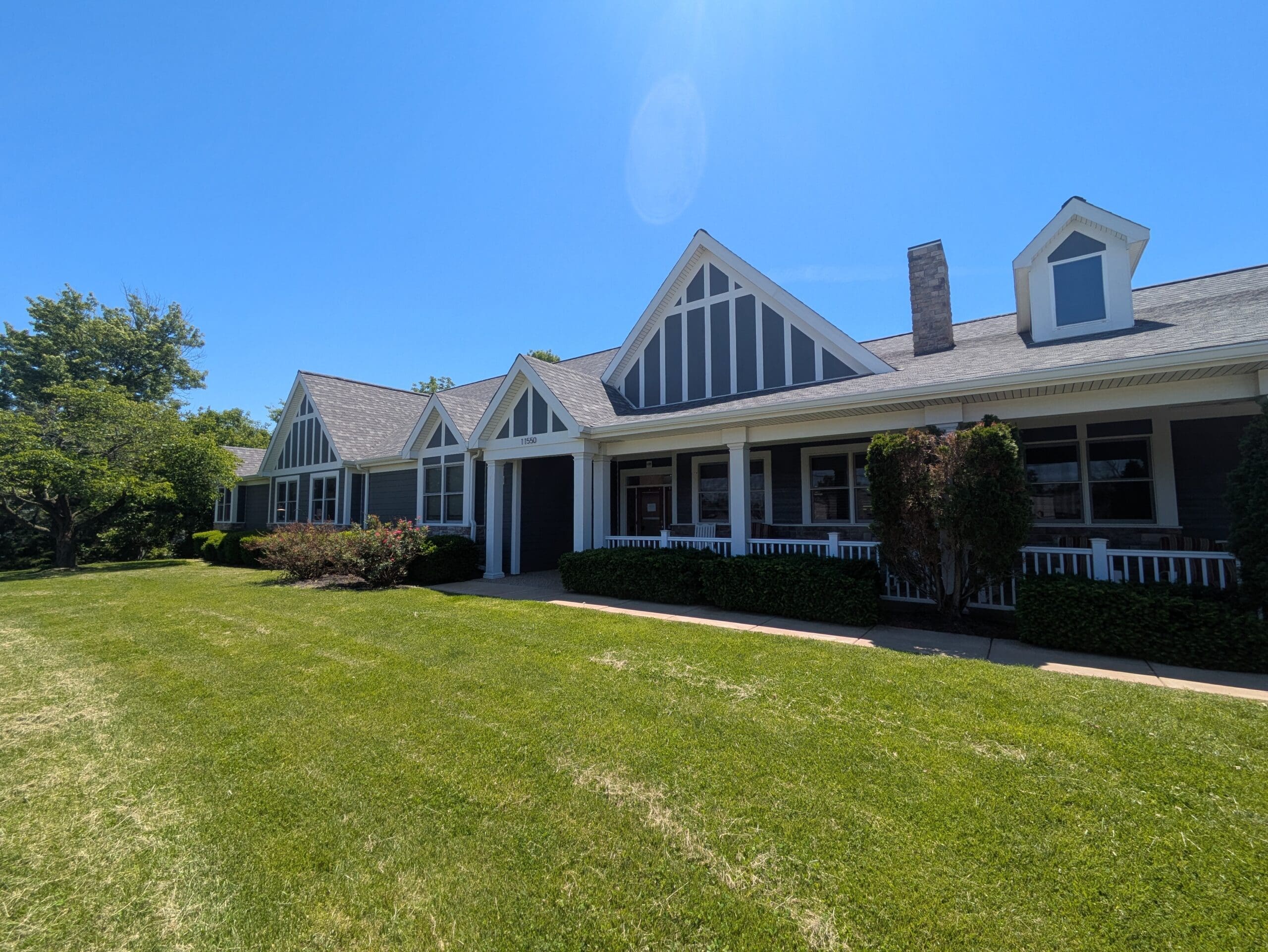
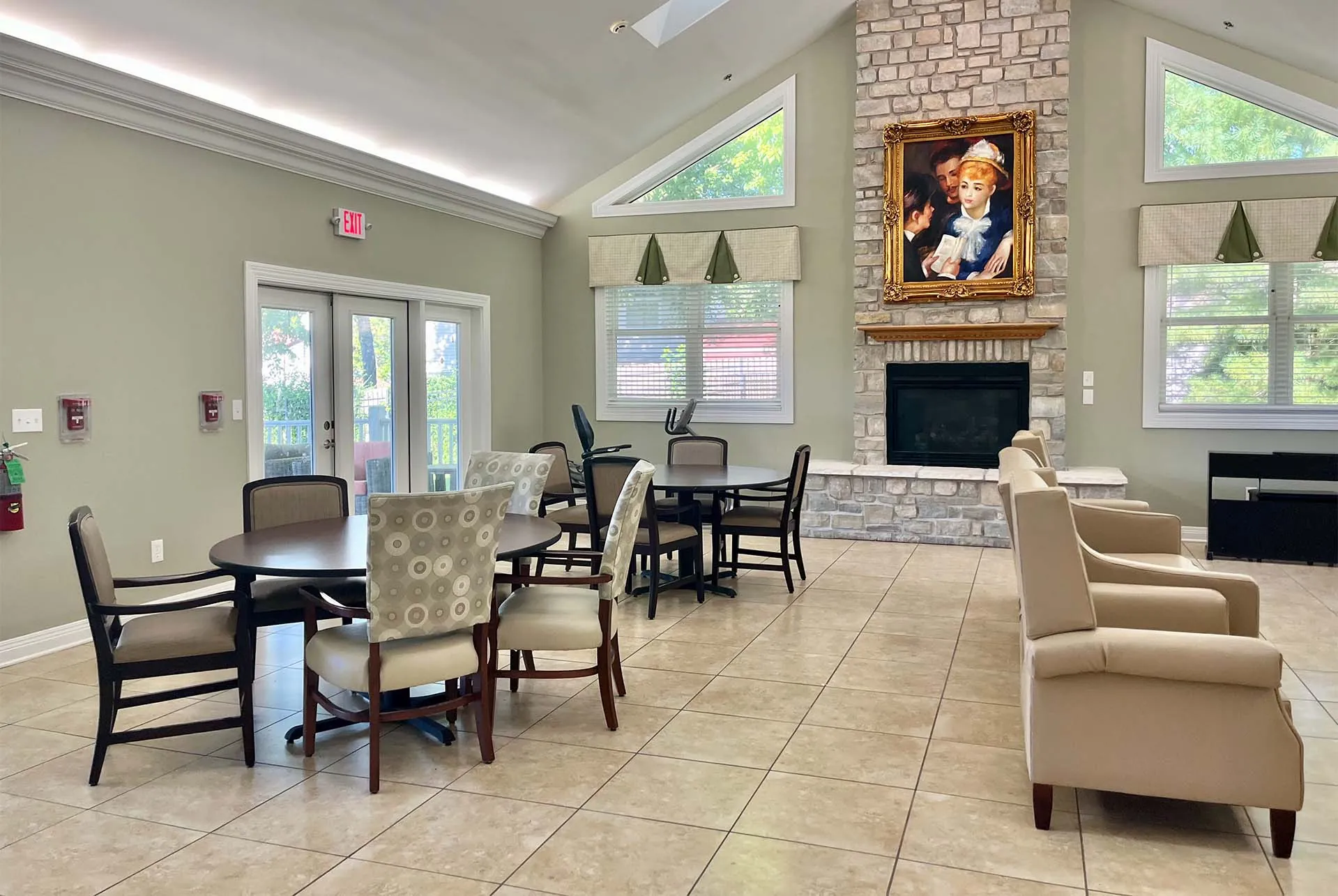
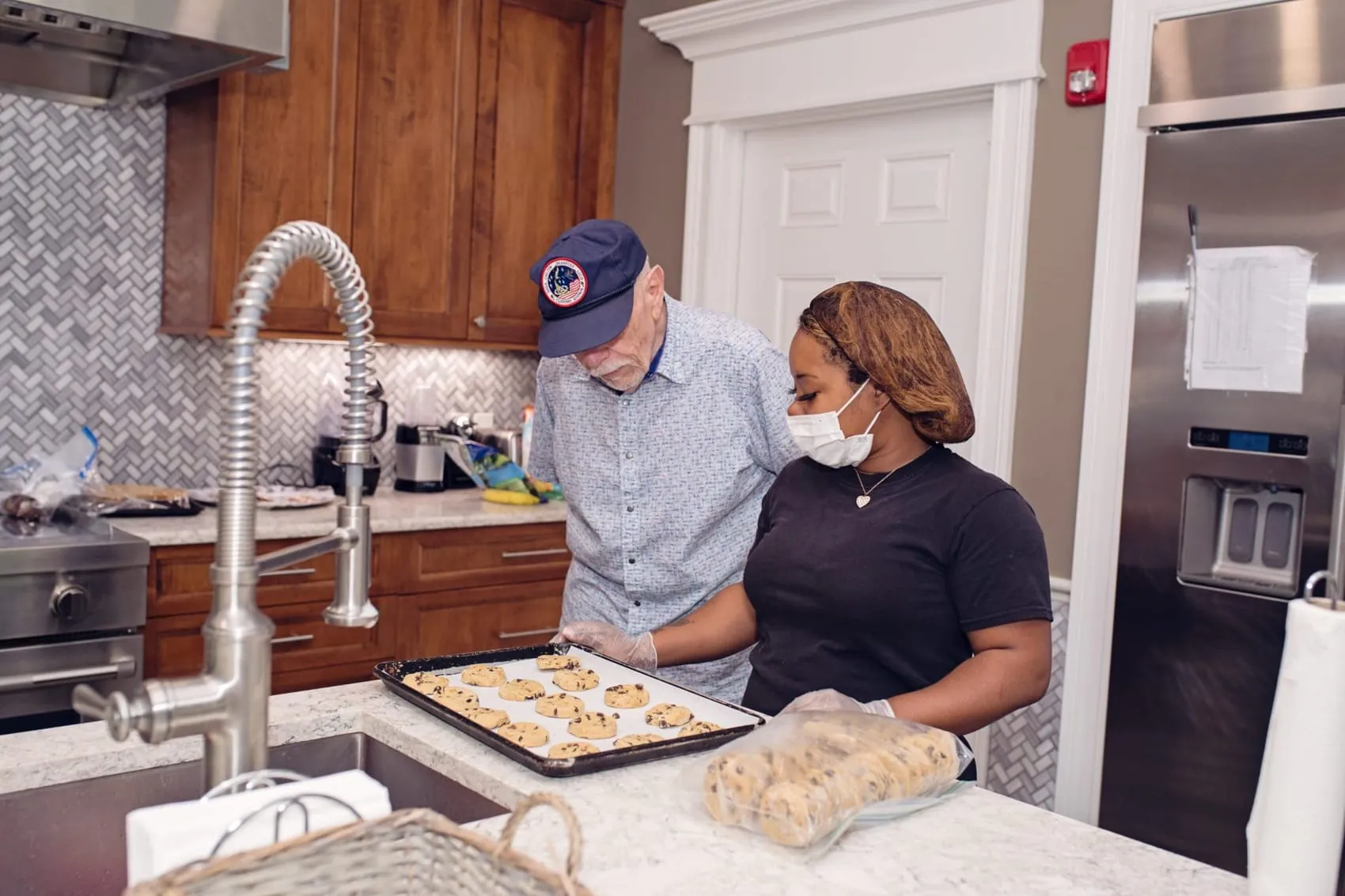
On home size, each Dolan residence is a single-story ranch house of 7,000 square feet that welcomes 6 to 11 residents, with no long hallways or elevators and secure outdoor space. Those homes are grouped into 7 neighborhoods across St. Louis County, 17 homes in all, so families can usually find care near the community they know. On staffing, caregivers are called Care Partners and come to know each resident’s history and routines, and nurses are on site 7 days a week. On engagement, daily life includes in-house music therapy, group clubs, weekly bus outings and one-on-one time rather than hours in front of a television. On safety, the single-story design and secure outdoor areas are built for people living with dementia.
The guiding idea is warmth over luxury, the belief that people belong in homes, not institutions. None of this makes a large community wrong for every family, and the right answer depends on your loved one and your circumstances. The point of the checklist above is that it lets you weigh those trade-offs for yourself, on the criteria that matter rather than the marketing. You can find our homes across the St. Louis area or read more about the Dolan Difference and our care approach.
Understanding memory-care costs
Cost is often the hardest part of the conversation, and the most important question is how a provider prices care in the first place. Some bill by level of care, so the price rises as needs grow. Others, including Dolan, are all-inclusive, where each resident pays the same regardless of how much care they need. Ask which model a provider uses, what it covers and whether rates change over time, then compare like with like. Dolan does not publish a price online, so families call 314-993-9500 for details, and you can read more on the cost of memory care.
It also helps to understand who pays. Medicare generally does not cover long-term custodial memory care, though Medicaid, long-term-care insurance and VA benefits such as Aid and Attendance may help, depending on eligibility. Some memory-care expenses may be tax-deductible as medical expenses under certain conditions. Because every family’s finances differ, treat this as general information and consult a tax professional or financial advisor about your situation. LongTermCare.gov has a helpful overview of paying for long-term care.
Frequently asked questions
What should I look for when choosing a memory care facility?
Focus on what shapes daily life: home size, dementia-trained staff and nurse coverage, a safe and secure design, meaningful daily engagement, proper licensing, clear family communication and transparent pricing. Use the checklist above to compare any provider on the same terms.
What questions should I ask on a memory care tour?
Ask how staff are trained and how long they stay, what nights and weekends look like, how the team handles anxiety or confusion, how families are kept informed and exactly what the price includes. Visit at a normal hour and notice whether residents seem engaged and known by name.
How is memory care different from assisted living?
Memory care is designed specifically for people living with dementia, with specialized staff training, secure design and routines built around memory loss. You can read a fuller comparison of memory care vs assisted living in St. Louis.
How much does memory care cost in St. Louis?
Costs vary by provider and pricing model. Dolan does not publish a figure online, since care is all-inclusive private pay; families call 314-993-9500 for details. Medicaid, long-term-care insurance and VA benefits may help with the cost depending on eligibility.