Key takeaways
- A tour is your chance to see past the brochure, so walk in with a written list of questions and full permission to ask every one of them.
- The answers that matter most are about people: how caregivers are trained, how they respond when someone is confused and how well they seem to know the residents by name.
- Safety, daily life and cost each deserve their own questions, and warmth is worth watching for while you ask, because it is hard to fake.
- Good caregivers welcome hard questions. If anyone rushes you or dodges, that tells you something too.
- Trust what you feel in the room. If a place seems warm, clean and calm on an ordinary day, that impression is real information.
If you are planning a memory care tour, you are already doing the hard, loving work of getting this right. Most families walk in unsure of what to even ask. That is normal, and you are not expected to know the right questions yet, which is exactly what this guide is for. A tour is not a test you can fail, and it is not a sales appointment you have to survive. It is your best chance to see how a home actually cares for people living with Alzheimer’s and related dementias. Memory care is a level of support built specifically for people whose memory is changing, and a good tour lets you feel whether a place really provides it. You have every right to ask direct questions and to expect plain answers. The list below will help you make the most of the visit, whether it is your first tour or your fifth.
Care and staffing questions
The people are the home. Everything else is a building.
Start by asking who will actually spend the day with your loved one, and how those caregivers are trained. At Dolan, caregivers are called Care Partners, and staff receive specific training from the Alzheimer’s Association for their nurses and Care Partners. Ask any home you visit whether their team has dementia-specific training, beyond general senior-care experience. A strong answer names the training and then describes how it shows up in ordinary moments.
Then ask the question that reveals the most. What do you do when a resident is upset, confused or convinced of something that is not true? You want to hear that staff meet confusion with patience instead of correcting or arguing, and that they protect the person’s dignity while they do it. That approach matters more than any single amenity.
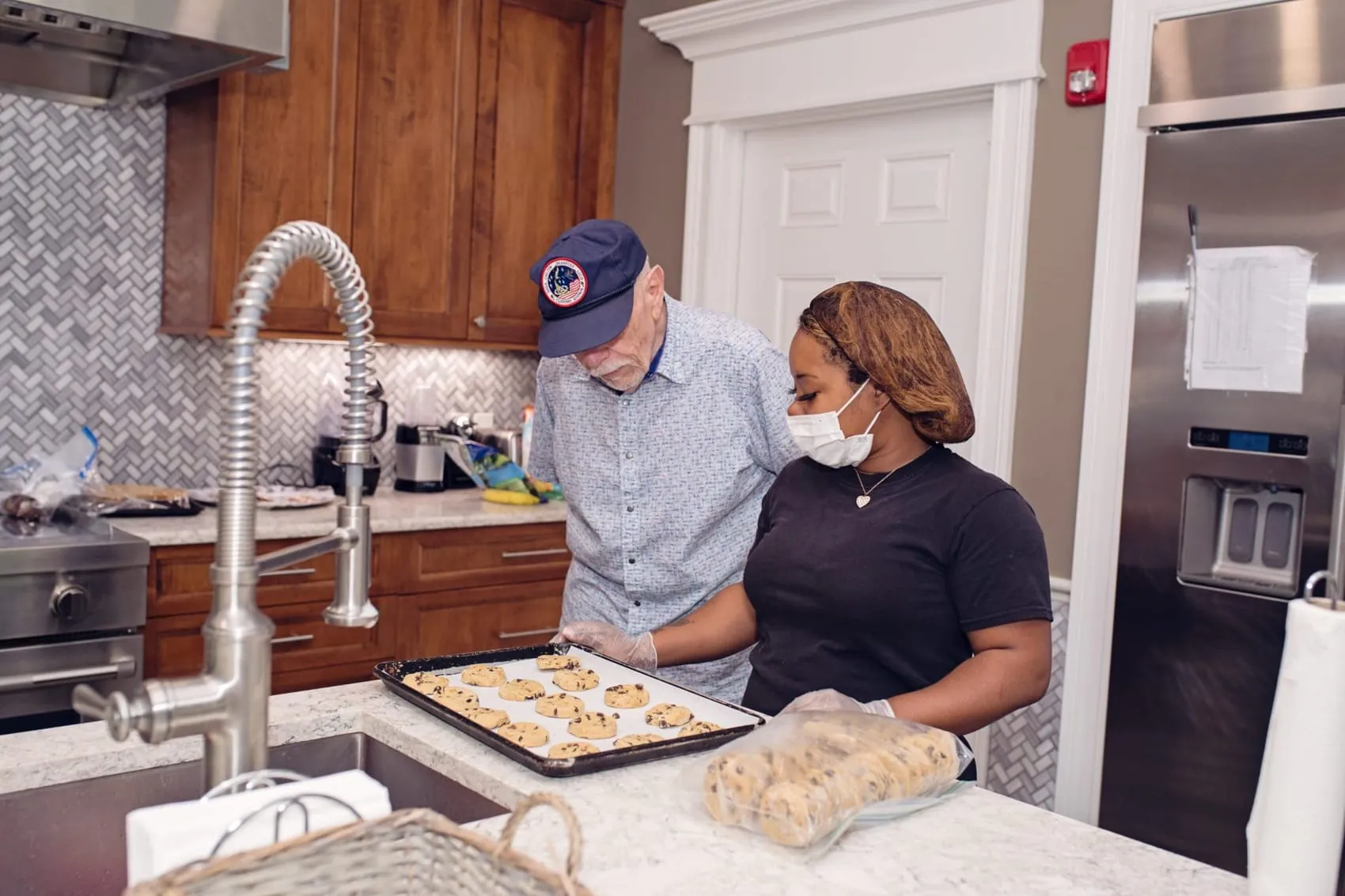
Ask about staffing depth, too. How many Care Partners are on during the day, and are nurses involved in daily care? At Dolan, nurses are on site seven days a week, and Care Partners come to know each resident’s stories and preferences rather than only their care needs. You can read our care approach and meet our Care Partners before you go, then see in person whether what you read holds up.
Ask about the medical side plainly, too. How are medications managed? What happens if a resident’s health changes, or if there is an emergency in the middle of the night? A clear answer covers who gets called, how quickly families are told and how the home works with a resident’s own doctors. You are not looking for a hospital. You are looking for a team that notices a small change early and responds calmly, so a minor issue does not become a crisis.
Safety and environment questions
Safety in memory care should be quiet. It is designed into the building, so it never feels like a lockdown.
Ask how the home keeps residents safe without making the space feel clinical. A few specifics are worth raising directly. Is there secured outdoor access, so a resident can feel fresh air and sunshine without the risk of wandering off? Is the layout simple to move through, ideally single-story, without the long hallways and elevators that confuse and tire a person with dementia? What happens if someone does try to leave?
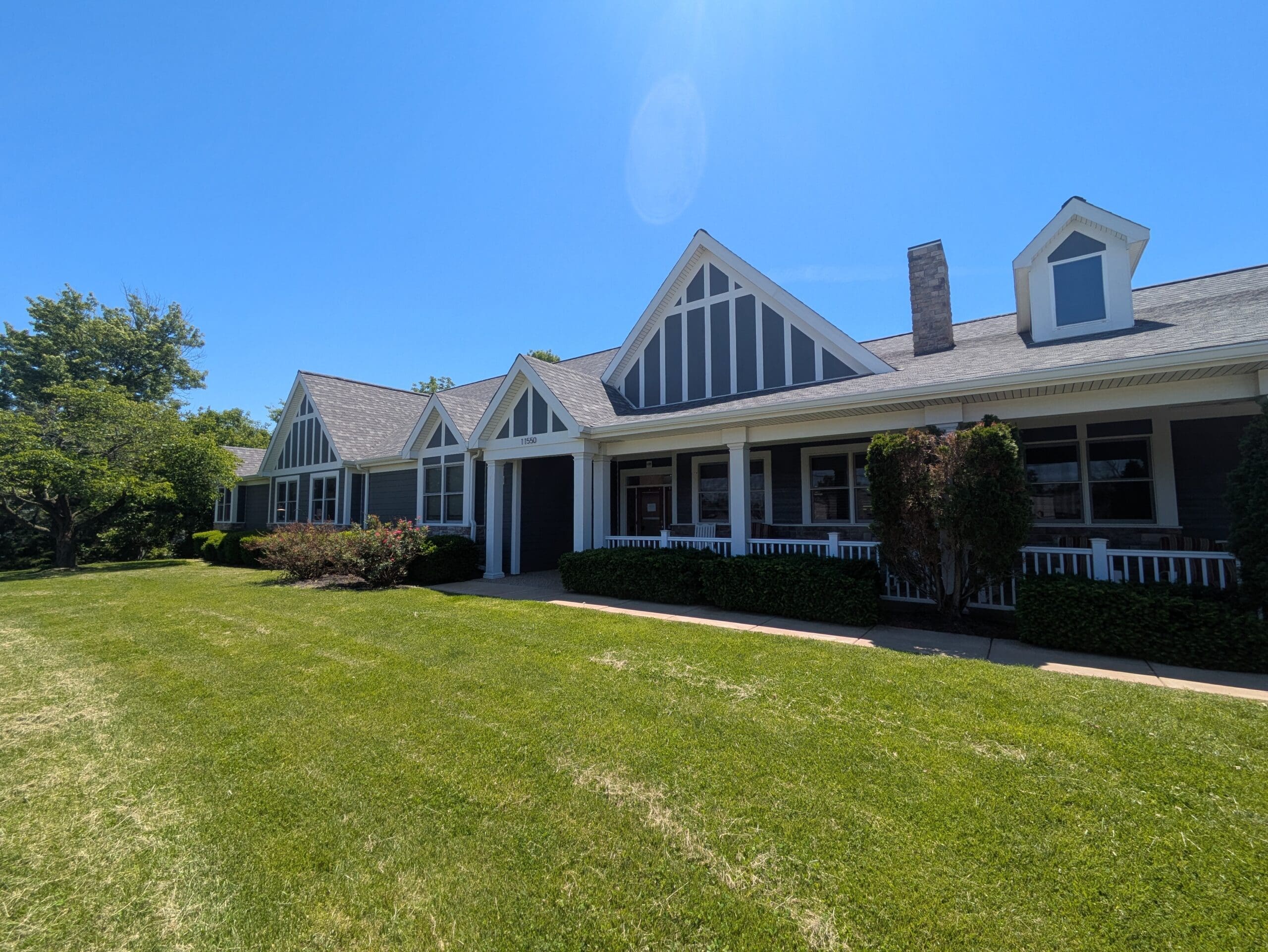
Dolan’s homes are built around these answers. They are small single-story ranch homes, each about 7,000 square feet, with calming spaces and secure outdoor areas instead of the scale of a large institution. Fewer doors and shorter distances mean a resident can find the kitchen or the porch on their own, which protects both safety and confidence.
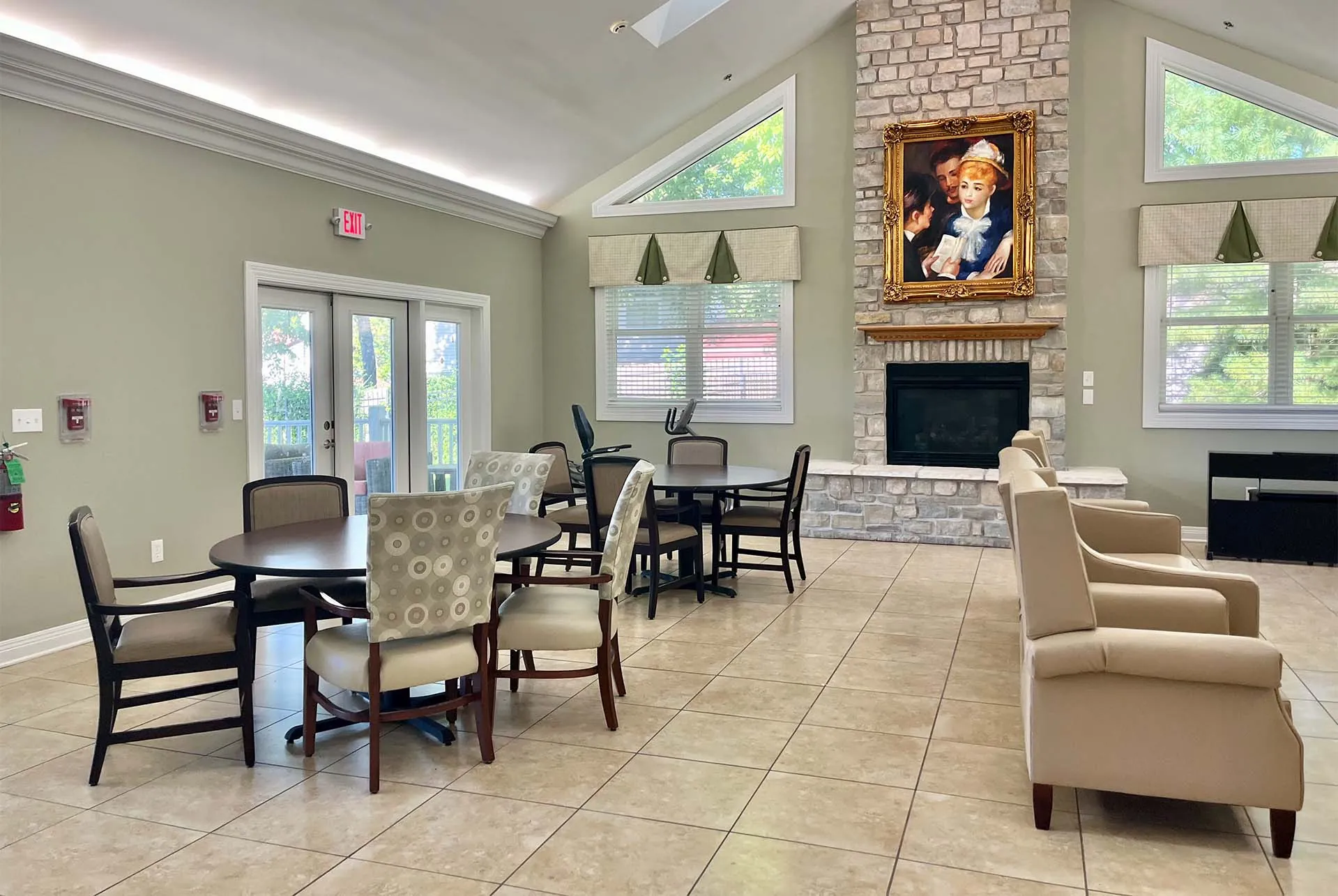
While you walk, use your senses. Is it clean, and does it smell clean? Are the exits secured but not jarring? Do the bedrooms and bathrooms look built for safety, with good lighting and floors kept clear of clutter? You can get a feel for the daily setting through life at Dolan, though nothing replaces standing in the room yourself.
Daily life and engagement questions
Ask what a normal Tuesday looks like. Not a holiday, not an open house. A regular weekday.
The rhythm of an ordinary day tells you how a person will really live here. Ask what residents do between meals, whether there is a genuine activities program and who leads it. Ask how the home handles someone who does not want to join in, because a good program meets people where they are instead of pushing. At Dolan, daily life includes music therapy, clubs, weekly bus outings, time on the porch and one-on-one attention, with a Director of Fun who keeps the activities going.
Ask about routine and food, which anchor a person’s day more than most families expect. Are mealtimes flexible and social? Can a resident keep familiar habits from home?
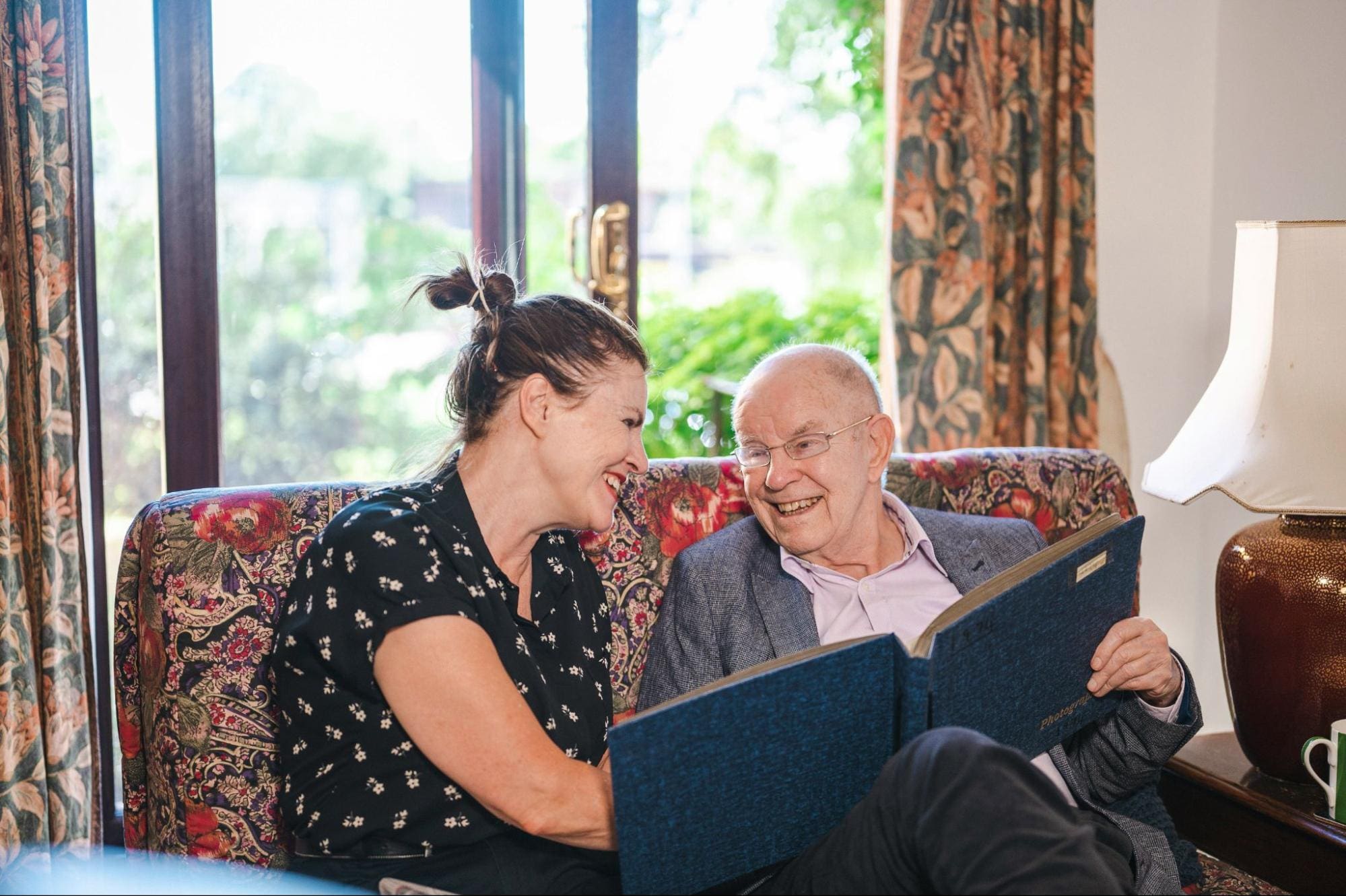
Then ask how the home includes you. How will they keep you updated, and are you welcome to visit, share a meal or join an outing? Can you come by at different times of day, join a holiday gathering or take your loved one out for an afternoon? The right home treats your family as part of the care, not as visitors on a schedule. When you feel that partnership during a tour, pay attention. It is one of the clearest signs of a place that will treat your loved one as a person first.
Cost, contracts and the feel of the place
Money is fair to ask about, so ask about it plainly.
Get clear on what is included and what costs extra. Ask whether the price rises as care needs grow, because in many places it does. At Dolan, the model is all-inclusive and private pay, and each resident pays the same regardless of how much care he or she receives, so families are not billed more as needs increase. There are no dollar figures posted online, which is common in this field, so plan to call for current pricing. You can start with our guide to the cost of memory care, then find our homes to see the neighborhoods near you.
A word on paying for care. Medicare generally does not cover long-term memory care, though it may cover a short rehabilitation stay after a hospital visit. Medicaid and long-term-care insurance can sometimes help. Some memory care costs may also be tax-deductible as medical expenses, but the rules are specific, so consult a tax professional about your own situation. For a neutral overview of the choices, the Alzheimer’s Association offers a helpful guide to care options.
Watch how staff and residents speak to each other when no one is performing for a tour. A quick smile in a hallway, a Care Partner who kneels to talk at eye level, a resident who looks at ease in her own chair: those small things are some of the truest information you will gather all day.
Finally, trust the feel of the place. The numbers matter, but the harder thing to measure is warmth. Are residents engaged rather than parked in front of a television? Are they spoken to with respect? Does it feel like a home instead of a hospital? Dolan has been family-owned in St. Louis since 1993, more than 30 years spent on a simple belief that people belong in homes, not institutions, now across 17 homes in seven neighborhoods. Whatever home you choose, let that same feeling guide you.
Frequently asked questions
What should I ask on a memory care tour?
Ask about staffing and training, safety, daily engagement, medical support and what is included in the cost. Bring your list, and do not worry about asking too much.
How can I tell if staff are well trained?
Ask about dementia-specific training and, just as important, how they respond to confusion or agitation. A strong answer describes patience and dignity rather than control.
What safety features matter most?
Look for secured outdoor access, simple single-story layouts and clear protocols for wandering. Safety should be built into the home without feeling like a lockdown.
What should the place feel like?
It should feel warm and clean, with residents engaged and treated with dignity. If it feels like a home rather than a hospital, that is a good sign.
Ready to visit?
You do not have to decide anything today. When you are ready, a tour is just a conversation, and you can bring every question on this page with you.
If you would like to see our homes in person, you can schedule a tour or call us at 314-993-9500. To picture the everyday first, take a look at life at Dolan.