Key takeaways
- A memory care tour goes better when you arrive with a short list of questions, a few priorities, and a plan for who comes along.
- Visit during a meal or an activity so you see a real day, not just a tidy entryway.
- Watch how Care Partners speak with residents. Patience and warmth tell you more than any brochure.
- Compare homes soon after each visit, while your impressions are fresh, and trust your instincts alongside your notes.
Introduction
If you have been typing “memory care near me” into a search bar, you are probably somewhere between worried and weary. That is completely understandable, and you do not have to walk into your first memory care tour unprepared.
Memory care is residential care designed for people living with Alzheimer’s disease and related dementias, with a secure setting, steady routines, and Care Partners trained in dementia. The Alzheimer’s Association’s 2026 Alzheimer’s Disease Facts and Figures reports that an estimated 7.4 million Americans age 65 and older are living with Alzheimer’s, so many families are walking this road right now. Knowing how to choose a memory care facility starts with a good tour, and a good tour starts with a little preparation.
Before the tour
A little planning turns an emotional visit into a useful one.
Schedule the visit ahead of time. Call or schedule a tour so someone can set aside time to answer your questions properly. When you book, ask what time of day works best. Mid-morning or around a meal is often ideal, because you will see residents and Care Partners going about their day. If you are still deciding whether this step is right for your family, our guide on is memory care right for your loved one can help you think it through.
Decide who should come. Bring another family member if you can. A second set of eyes and ears is a gift, especially when feelings run high. Whether your loved one joins depends on where they are in their journey. Someone in an earlier stage may want a voice in the decision and feel reassured seeing the home. Someone further along may find a new place tiring or unsettling, so a first visit without them, followed by a short, calm visit later, can be kinder. You know them best.
Bring what helps you remember. A notebook, your written questions, and a phone for photos (ask permission first) are plenty. It also helps to carry a current medication list, the name of their doctor, and a few notes on their routines, favorite foods, and the things that soothe them. Those details let the team picture your loved one in the home.
Be gentle with yourself. Many families feel guilt or sadness before a first tour. That is a sign of how much you care, not a sign you are doing something wrong. Give yourself a quiet moment beforehand, and plan something comforting for after, like a walk or a meal with someone you trust.
Write your questions in advance. In the moment, it is easy to forget what you meant to ask. Even five or six written questions will keep you steady. Good starters: What does a typical day look like? How are medications handled? What happens when someone has a hard afternoon? How does the team keep families informed?
During the tour: what to look for
You are gathering impressions as much as facts, so go slowly and let yourself notice.
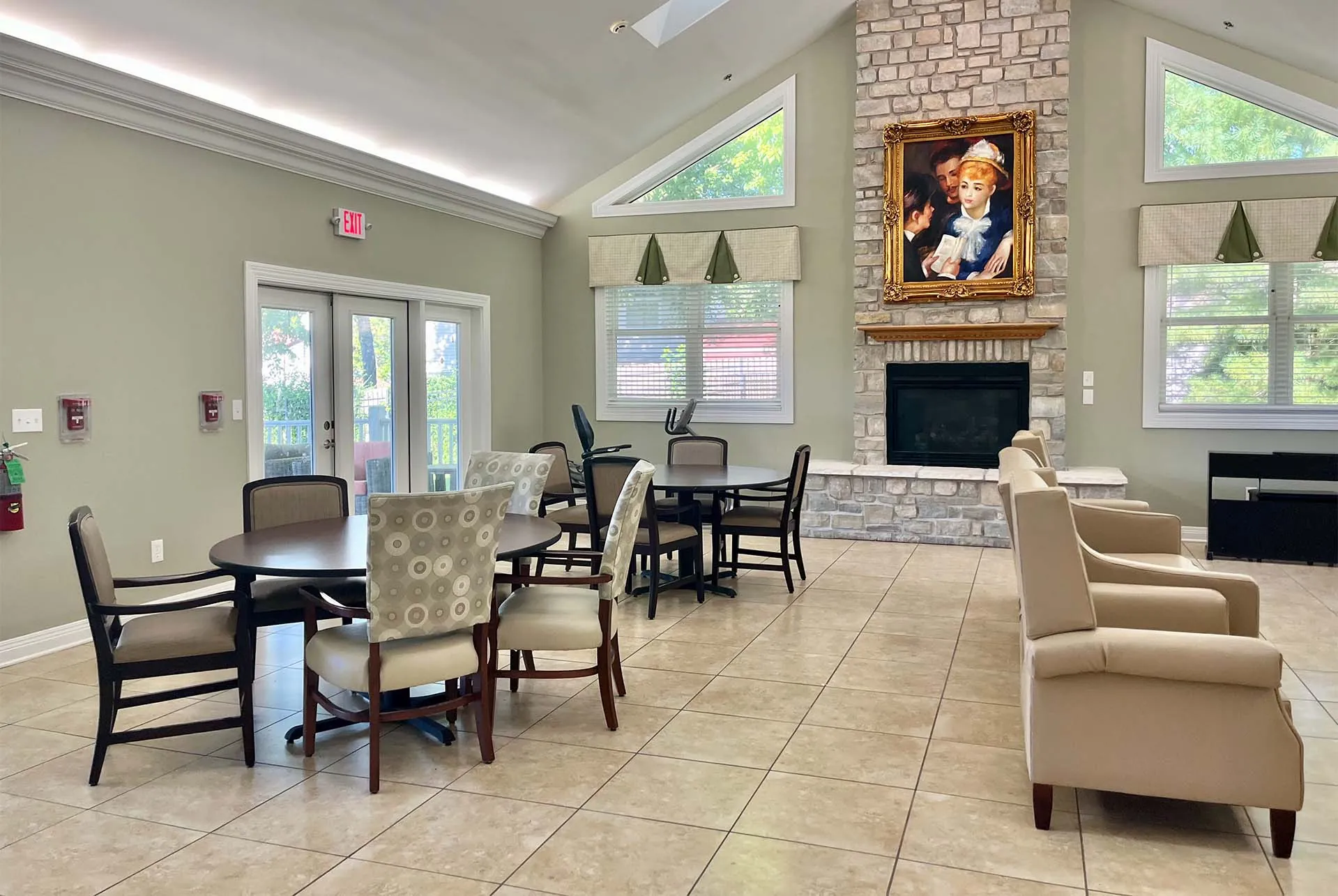
Warmth. Does the place feel like somewhere a person could settle in? Pay attention to the greeting at the door, the lighting, the sounds, and whether the furniture looks lived in and comfortable.
Cleanliness and comfort. Look for tidy, fresh-smelling spaces and rooms that residents can personalize with their own belongings.
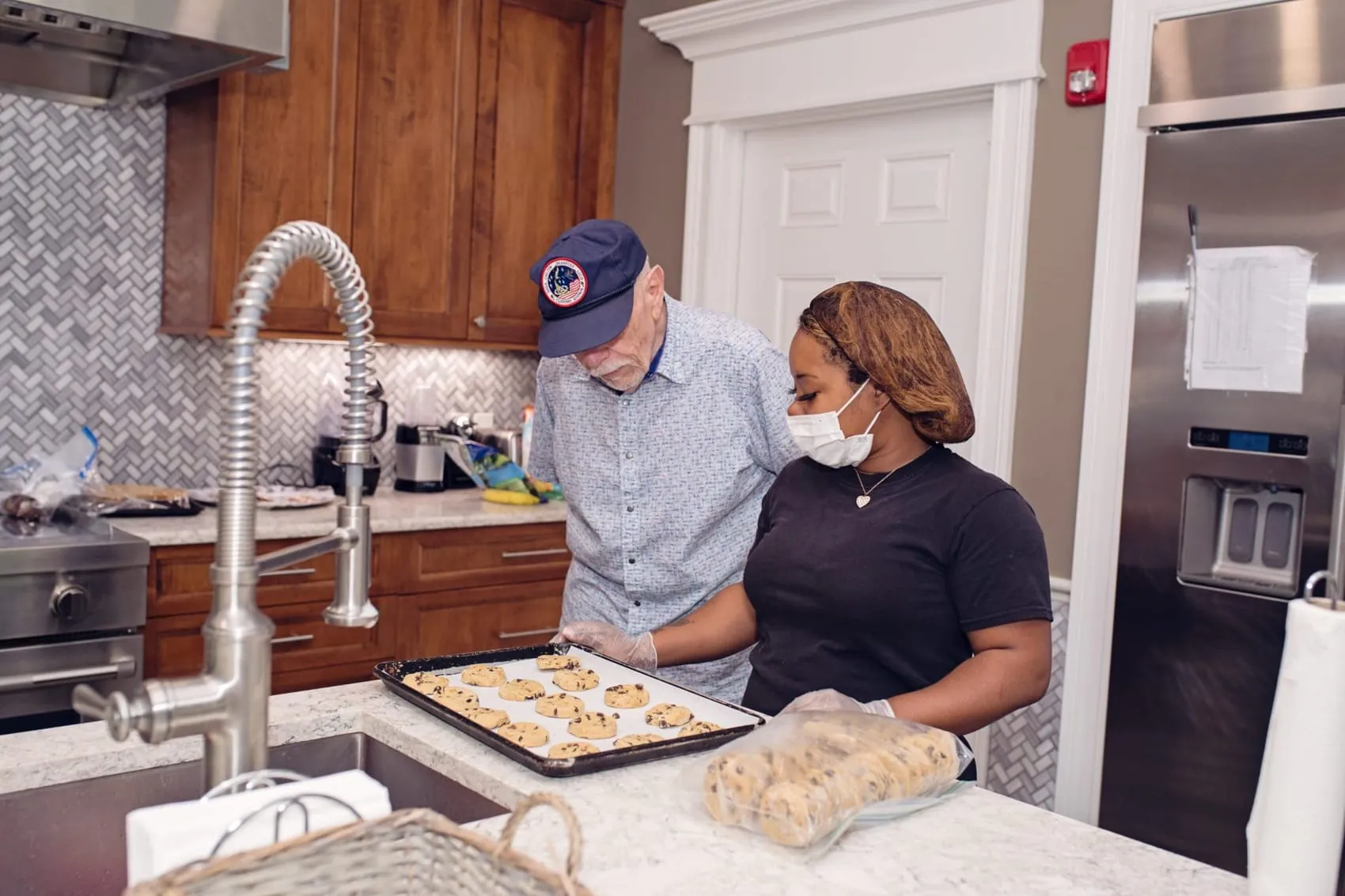
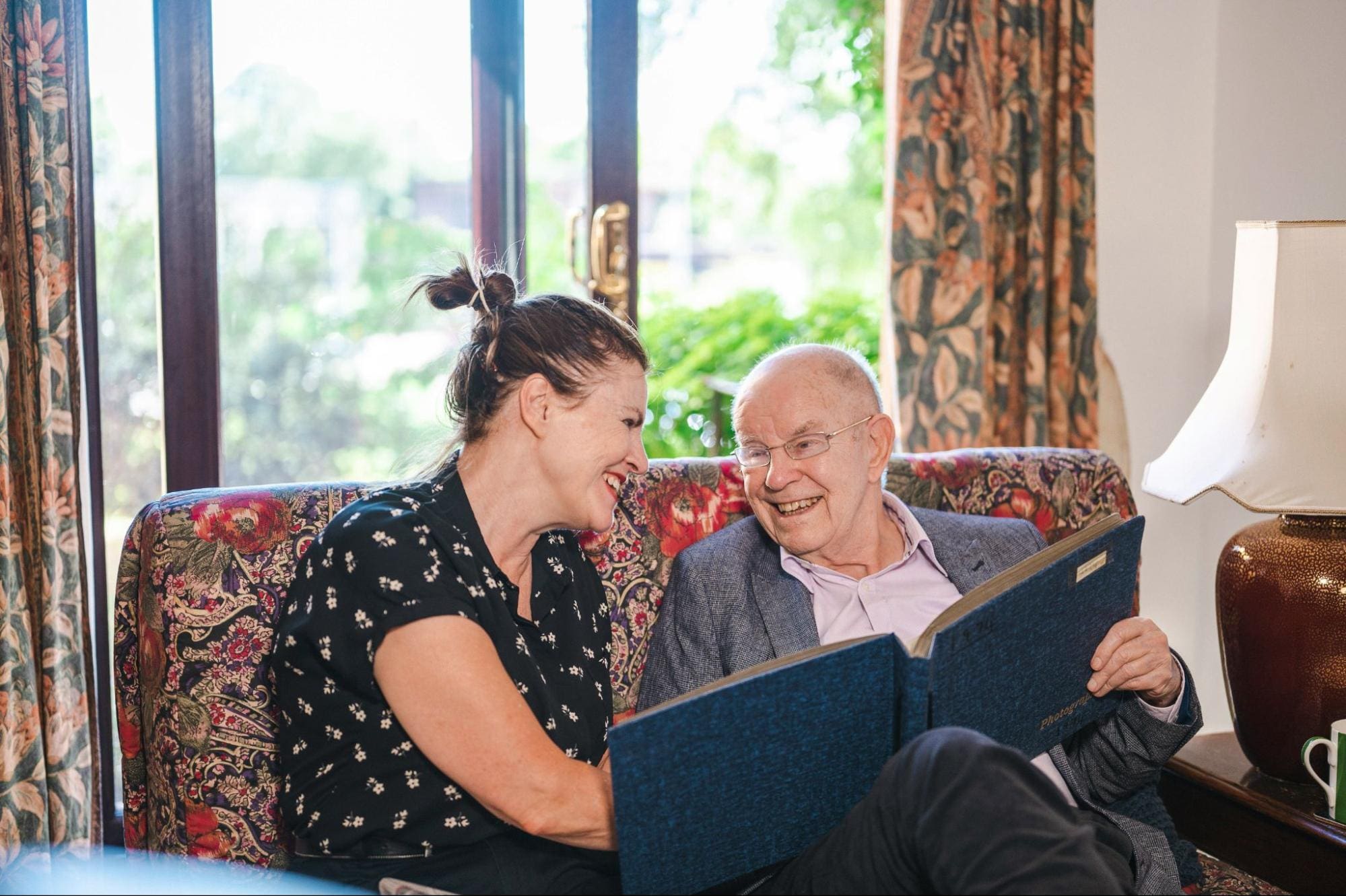
How Care Partners interact with residents. This matters most. Do they get down to eye level, use residents’ names, and respond with patience when someone is confused? The best approach meets a person where they are instead of correcting them. Notice whether residents seem at ease, and whether Care Partners seem unhurried. You can read more about our care approach and meet our Care Partners to see what that looks like at Dolan.
Safety. Ask about secure entrances and outdoor spaces, how the layout supports residents who like to walk, and how medications, falls, and emergencies are handled. Ask what nursing coverage looks like, including overnight, and how often a nurse is on site. At Dolan, our nurses are on site 7 days a week.
Engagement. Ask to see the activity calendar, then look for whether it matches what is actually happening. Music, gardening, sewing, or time on the porch can all make a day feel full. Look for options for people who prefer quiet, too.
Your own questions, answered honestly. Do not hesitate to ask the hard ones, such as what happens as needs change over time, or how the team supports a resident on a difficult day. A good home welcomes those questions and answers them plainly, without defensiveness. It is also fine to say “I need to think about that” and ask to come back.
The size and shape of the home. Dolan is a dementia and memory care specialist that uses a small residential-home model. Our 17 homes across seven neighborhoods are single-story ranch homes, each welcoming 6 to 11 residents, with secure outdoor areas and no long hallways or elevators. Smaller settings can feel less overwhelming and make it easier for Care Partners to know each resident well. Whichever place you visit, notice how its size and layout feel to you.
After the tour: compare and decide
Try to write down your thoughts within an hour or two of leaving, while details are fresh. A simple note for each home works well: what you liked, what concerned you, and how you felt walking out.
Compare on what matters to your family. Lay your notes side by side. Which place had the warmest Care Partners? Which answered your questions most openly? Which could you picture your loved one being comfortable in? Compare how pricing works too, including what is and is not included. At Dolan, memory care is all-inclusive and private pay, and we invite families to call us for pricing details.
Talk it through as a family. If others are involved in the decision, share your notes with them soon. Differences of opinion are normal and usually soften when everyone has seen the same things and heard the same answers. Keep your loved one’s wishes, comfort, and dignity at the center of the conversation.
Know the red flags. Be cautious if you see:
- Care Partners who seem rushed, or who talk about residents rather than to them
- Questions that get vague answers or are brushed aside
- Residents left alone without engagement for long stretches
- Strong odors, or spaces that feel neglected
- Pressure to decide quickly
Take your next steps gently. If one home stands out, consider a second visit at a different time of day, perhaps with your loved one if that suits them. If you are weighing the bigger decision, our post on 7 reasons to consider memory care may offer reassurance. There is no perfect checklist. A good fit usually shows up as a feeling of relief, backed by clear answers.
Frequently asked questions
How do I prepare for a memory care tour?
Schedule ahead, choose a time when residents are active, and bring a notebook, your written questions, and a current medication list. Decide in advance who will come, and gather a few notes about your loved one's routines and preferences. Arriving prepared helps you stay calm and focused.
Who should come on the tour?
Bring a trusted family member or friend if you can, since two people notice more than one. Whether your loved one attends depends on their stage and temperament. Some people feel reassured by seeing the home, while others find new places tiring. A short visit later is always an option.
What should I look for during the tour?
Look for warmth, cleanliness, safety, and engagement, and above all watch how Care Partners speak with residents. Patience, eye contact, and kindness are good signs. Ask about nursing coverage, secure spaces, and how a typical day flows.
What should I do after the tour?
Write down your impressions soon after, compare homes side by side, and note any red flags. Consider a second visit at a different time of day. Take the time you need, and reach out with any follow-up questions. We are glad to help.
Ready for the next step?
When you are ready to see a Dolan home for yourself, schedule a tour or call us at 314-993-9500. We would be glad to meet you and your family. If you would like to picture daily routines first, explore life at Dolan.