Most families don’t go looking for memory care until the need is urgent. By then, they have usually been the sole caretakers for a while. Then it happened: the missed medications, the stove left on, the night mom called trying to find her own house. An estimated 7.4 million Americans age 65 and older are living with Alzheimer’s in 2026, and behind almost every one of them is a husband, a daughter, or a son trying to work out what comes next.
Specialized memory care for seniors exists for exactly that tough stretch of the road; the point where home stops being safe, and a regular assisted living community is not able to meet your loved one’s needs. The challenge, however, is that many places promote themselves as memory care, but they do not actually provide full memory care services. What follows is how to tell a home that actually does specialized memory care from one that just borrows the label. If you are only beginning to weigh the decision to move into memory care, start here.
What Is Specialized Memory Care?
Specialized memory care is a dedicated living environment for seniors with Alzheimer’s, vascular dementia, Lewy body dementia, frontotemporal dementia and other cognitive conditions. The clearest way to determine specialized memory care is to ask whether it was designed around how a brain with dementia actually works. Assisted living helps older adults who need a hand with daily tasks but are still largely running their own lives, whereas memory care is for the point where memory loss makes that independence unsafe.
The difference means that it is not merely a locked door bolted onto an ordinary care home. It shows up in the staffing, the training, the daily structure and the design of the space itself. Care partners are trained specifically in dementia. The day is built around routine instead of left to chance. Exits and outdoor areas are secured so a resident can move around independently while staying safe. Medical support is close at hand, coordinated under each resident’s own doctor, and part of a larger care team.
If a community uses the words memory care but the only real change from its assisted living wing is a keypad on the door, they likely don’t offer true dementia services. The 7 benefits of memory care come from the whole model working together, not one secured hallway.
When is it Time for Specialized Memory Care?
There is no single moment when the answer becomes obvious. More often, it is a stretch of weeks or months when worrying stops being occasional and turns into the background of every day. The signs a senior needs memory care generally to look like this:
- Safety at home has slipped. There is wandering, especially at night. A pot is left on the burner. One gets lost on a street they have driven for forty years.
- Medications are getting missed or taken twice.
- Weight is dropping. Meals get skipped, or it is the same single thing every day.
- The world is shrinking. Friends visit less, and the phone stops ringing.
- The main caregiver, usually a spouse or an adult child, is running on empty.
This last point matters more than families let themselves believe. Nearly 13 million Americans provide unpaid care for someone with dementia, and the load is not sustainable forever. It is important to recognize that burning out is not a failure of love. It is a sign the job has grown bigger than one person can hold. If several of these are true in your house, it is time for memory care, and what your options are.
What specialized Memory Care Looks Like in 2026
There is a huge gap between a specialized home and one that is merely marketed as one. Below are a few key aspects to help you find an authentic Memory Care.
Person-Centered Care Plans
An effective care plan starts with the person, not a diagnosis on a chart. Good care partners extensively learn about a person’s life before dementia begins. Who are they? The retired teacher who still settles when there is a stack of papers to mark. The lifelong gardener whose hands remember a trowel. They learn the person’s strengths, history, and preferences for music, foods, and interests. Then the plan gets revisited often because dementia is progressive, and the care always gets customized for the person living with it. Everywhere that promises Memory Care should have an extensive Person-Centered Care Plan.
Structured Daily Routines
Predictability lowers anxiety for people with dementia. When waking up, meals, rest, and activities begin at the same time each day, a rhythm develops, and fear and confusion are reduced. There is still room for choice inside the schedule, but the shape of the day holds steady. A person’s private moments get protected too with the bath, and the dressing is handled each day with patience and care. Most of daily life in memory care is made of exactly this attentiveness and routine.
Cognitive Stimulation Therapies
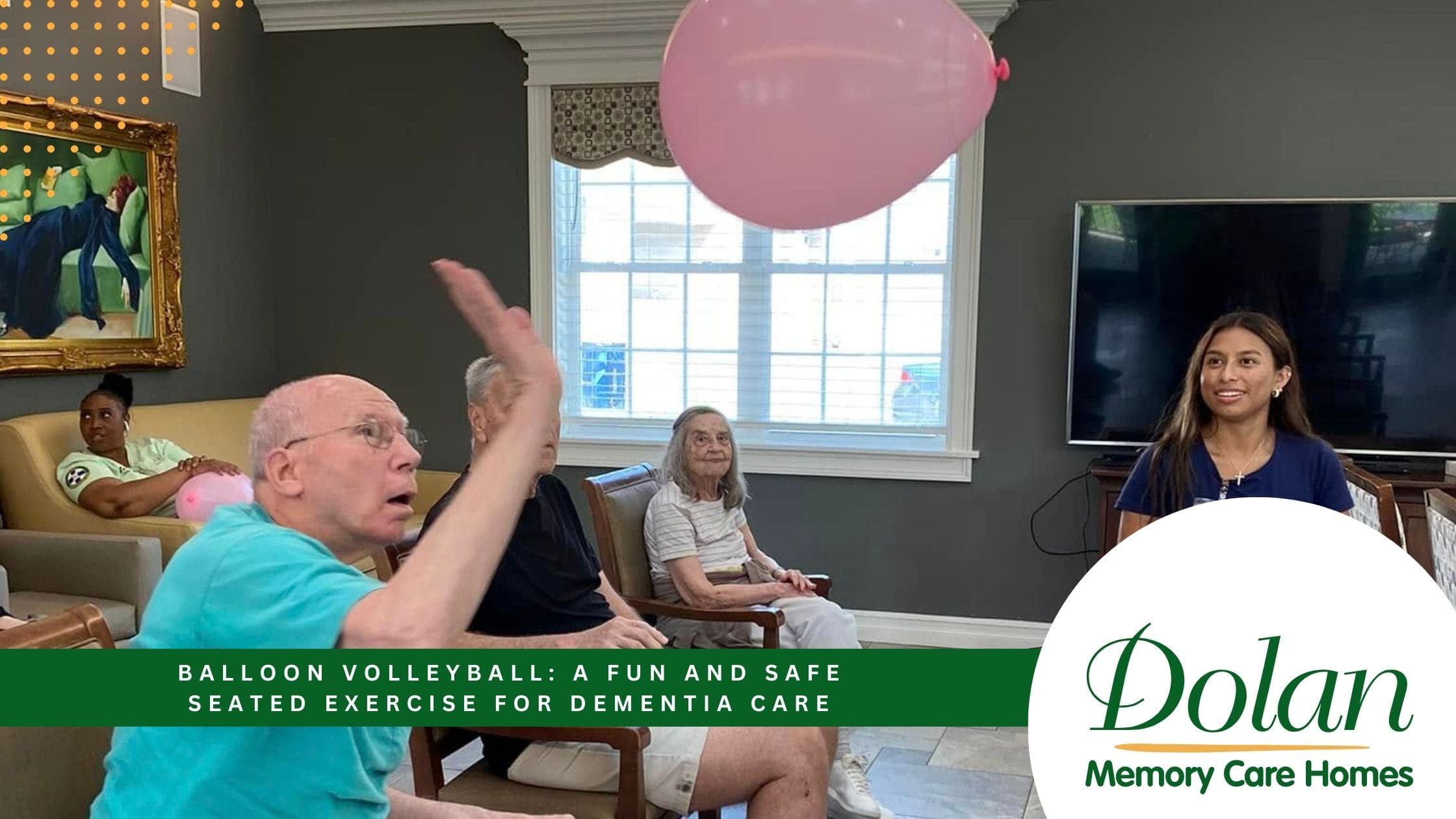
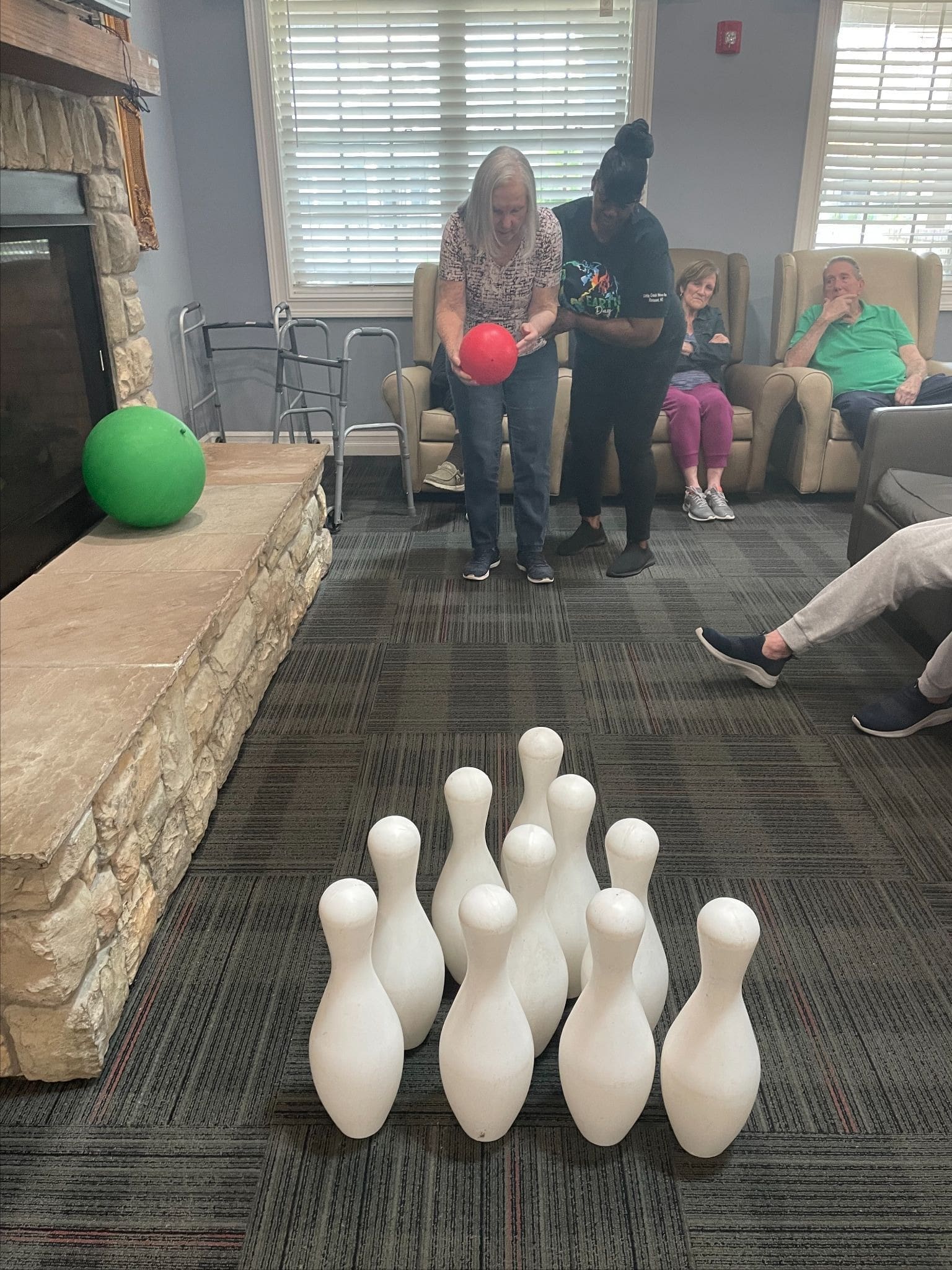
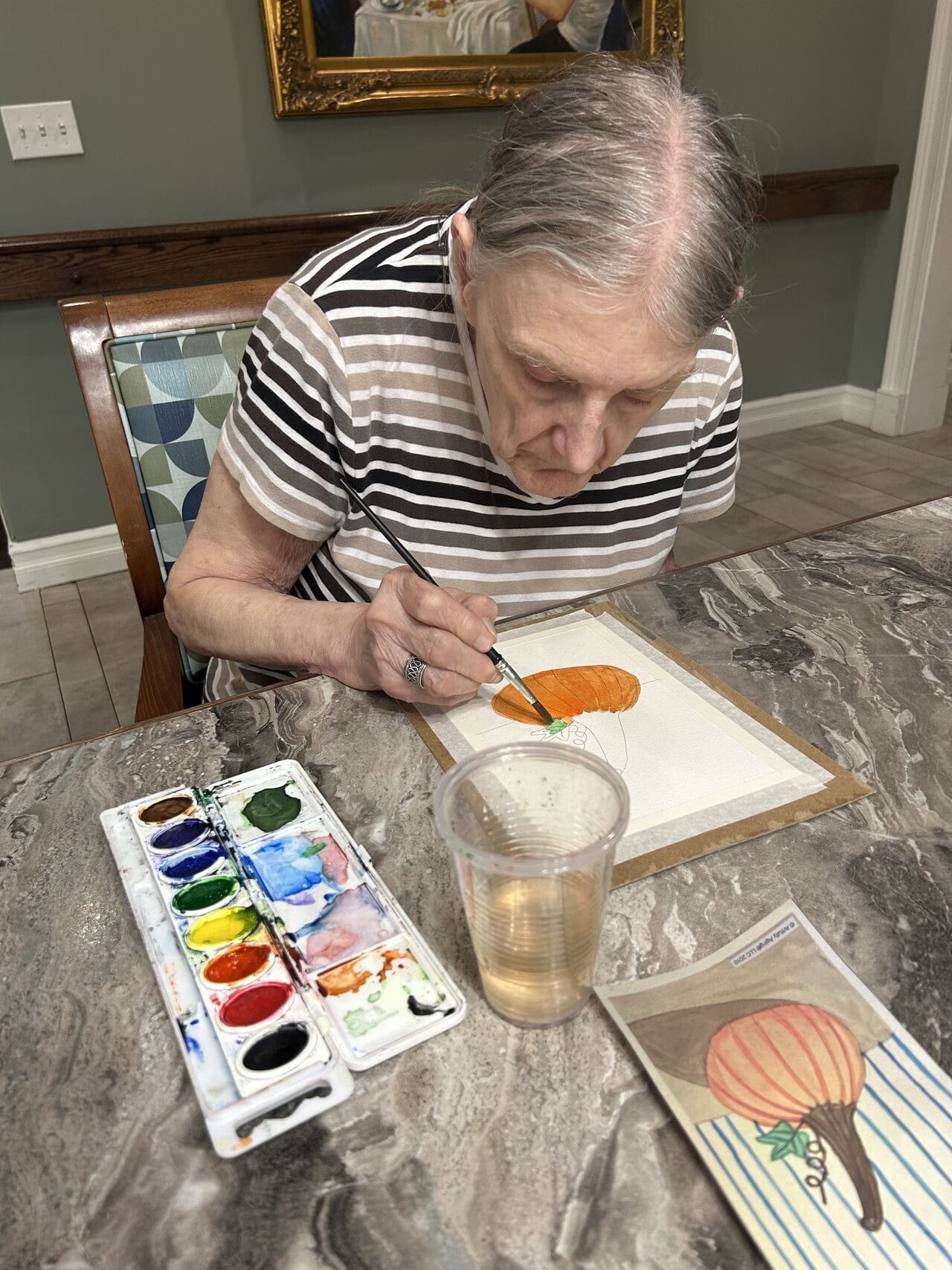
The memory care treatment field in 2026 has a broader toolkit than even a few years ago. Cognitive Stimulation Therapy, a structured group program widely used for mild to moderate dementia, anchors the list. Next is music therapy, which reaches people long after most words are gone, as well as art, pet visits, reminiscence work, and interactive light tables. These activities are effective but are not a cure. The point of these memory care activities for those with dementia is engagement and comfort. A good home practices these programs proudly and boldly. Dolan Memory Care runs cognitive stimulation therapy as a named, intentional program.
Safe, Secure Environments
Specialized homes are designed to keep residents safe without making them feel watched or trapped. Secured exits and an enclosed yard mean someone can step outside and feel the breeze and enjoy the weather without the risk of getting lost. Lighting and pointing choices provide contrast that cuts down on visual confusion and reduces falls. Quiet corners sit away from the busier rooms. Awake care partners are there around the clock, with nursing close by. Done right, wandering prevention provides security and safety, but the memory care home that still feels like a house, not a hospital floor.
Family Communication and Support
Specialized Memory Care includes the family, not only the resident. They are part of the care time and hear about changes in the person’s condition, so there are no surprises. Families are involved in care plan reviews and are always welcome at the table for a meal. The hard conversations, especially about advancing dementia and hospice and what your loved one would have wanted, are met head-on and with kindness. Strong social work and family support are part of the care itself. In a Specialized Memory Care, the family never feels like they are intruding on their own family member.
Memory Care vs. Assisted Living: What’s the Real Difference?
Families often arrive thinking these are two names for the same thing; however, they are not. The memory care vs assisted living question depends on for whom the setting is built.
Assisted living is built for older adults who need help with some daily tasks and are still largely directing their own days. Memory care is built for people whose memory and judgment make that direction unsafe. The contrasts that matter:
- Training. Memory care partners are trained in dementia specifically. Assisted living staff usually are not, at least not to the same depth.
- Environment. Memory care is designed for cognitive impairment. Assisted living is designed around mobility and convenience.
- Structure. Memory care runs on routine and engagement. Assisted living runs on independence.
- Security. Memory care is secured against unsafe wandering. Assisted living generally is not.
How to Choose the Right Memory Care Home
You will hear a lot of polished language on a tour. Listen just as hard for what nobody brings up. Bring these questions in writing:
- What is the resident-to-care-partner ratio, and does it change overnight? A low resident-to-caregiver ratio is one of the best predictors of daily quality of life. Notice how carefully the answer gets hedged.
- How long have your longest-serving care partners been here? Continuity matters for someone who cannot keep meeting a new face every week.
- Walk me through an ordinary day. A vague answer usually means a vague day.
- What happens when my mother needs more care? Will she have to move rooms or homes, and does the price go up?
- How do you handle the end of life? A good home does not flinch at that question.
Then trust your senses. Notice whether care partners speak to residents by name and at eye level. How the place smells. How loud it is. Watch the residents, not just the building. Reading up on what to look for in memory care before you go makes every tour sharper, and a second visit usually tells you more than the first.
FAQ
What is the difference between memory care and dementia care? Very little, in practice. Dementia care is the broad term for supporting someone with any form of dementia. Memory care is the name for the residential version of it. Both should be specialized, person-centered and staffed by people trained in dementia. The label on the brochure matters far less than what is actually happening inside the home.
When should a senior move to memory care? The family usually can tell when they reach their capacity to provide care. Overall, the earlier the conversation starts, the easier the process will be. Touring while your loved one can still take part in the conversation is better than touring in a crisis from a hospital bed, and the better homes often keep wait lists.
What activities are offered in memory care? A good home blends proven approaches like cognitive stimulation therapy and music with hands-on activity, reminiscence and gentle movement. The aim is engagement and meaning, sized to each resident, rather than busywork to fill the hours.